There is a reason lamb turns up on tables from Athens to Andalusia to Beirut. Across the Mediterranean, slow cooked lamb is the dish families gather around, the centrepiece of a Sunday lunch, and the flavour that says “special occasion” without anyone needing to explain why. Lamb is the through-line of the region, and slow, gentle cooking is the technique that makes it sing. It is also, quite literally, our namesake, so allow us to walk you through why this humble cut has earned its place at the heart of Mediterranean food.
Why slow cooking transforms lamb
Lamb, especially the harder-working cuts, is full of connective tissue and fat. Cook it fast and hot and it tightens up and turns chewy. Cook it low and slow and something lovely happens instead.
Over several hours at a low temperature, three things take place:
- Collagen melts into gelatine. The tough connective tissue breaks down and coats the meat, giving that spoon-tender, falls-off-the-bone texture.
- Fat renders slowly. Instead of dripping away, the fat bastes the meat from within and carries flavour into every fibre.
- Flavours deepen and marry. Garlic, herbs, citrus and spice have time to soak in, so the seasoning tastes built-in rather than brushed on.
The result is meat you can pull apart with a fork. No knife required.
One ingredient, many traditions
What makes lamb such a rich subject is how differently each culture treats it. Same animal, completely different stories on the plate.
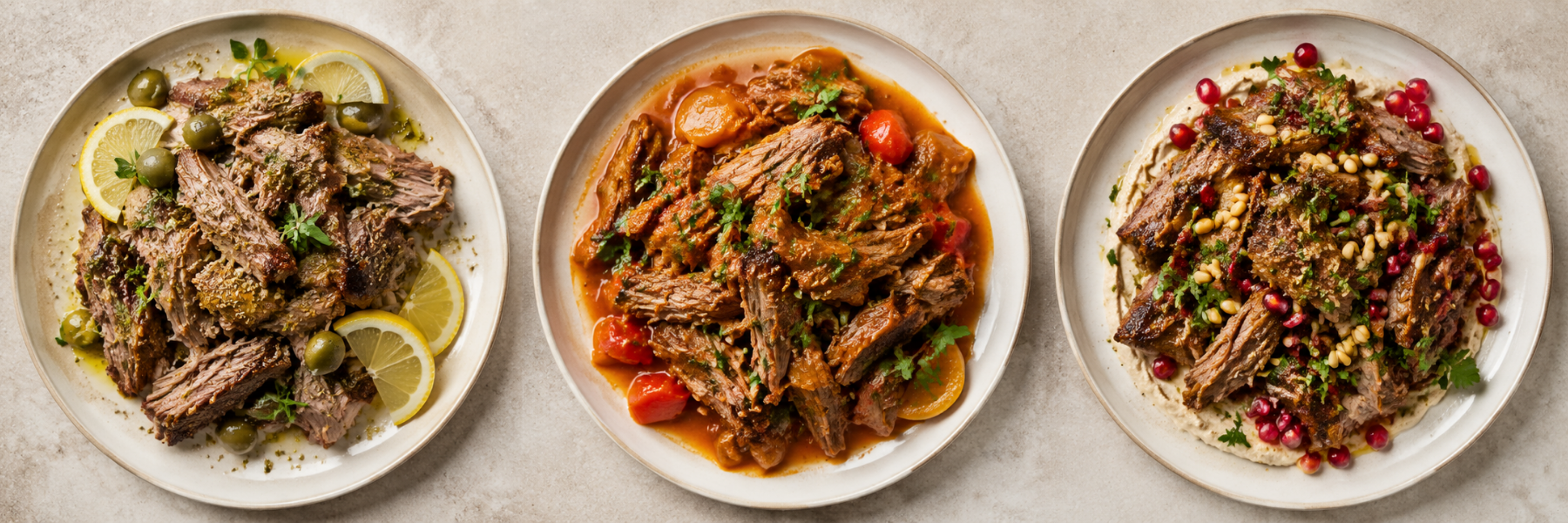
Greek. Think kleftiko: lamb slow roasted with lemon, garlic and oregano, traditionally sealed in parchment or clay, so it steams in its own juices. A classic Greek lamb recipe leans on brightness, plenty of lemon to cut through the richness. To spot the difference between genuine regional cooking and a pale imitation, our guide on how to spot an authentic Spanish restaurant is a useful primer.
Spanish. Cordero is often braised low and slow, the shoulder cooked down with wine, smoked paprika and bay until it collapses. Spanish cooking treats lamb with rustic confidence, big on depth, easy on fuss.
Levantine. Across Lebanon, Syria and Jordan, lamb is spiced generously with cumin, cinnamon and allspice, then served over rice or scooped up with warm flatbread. Here the meat shares the stage with grains, nuts, and yoghurt.
Three regions, one animal, and a very good argument for why Mediterranean food never gets boring.
The cuts that reward patience
Not every cut suits the slow lane. The best candidates are the ones that work hardest on the animal:
- Lamb shoulder. The gold standard for slow cooking. Lamb shoulder is marbled with fat and connective tissue, so it stays moist over long hours and shreds beautifully. Ideal for pulled lamb and shared platters.
- Shank. A single-serve showpiece. Rich, gelatinous and made for braising in liquid until the meat slides off the bone.
- Leg. Leaner than shoulder, so it suits a gentle roast where you want neat slices rather than pulled meat.
If you are choosing one cut to learn on, start with the shoulder. It is forgiving, affordable, and hard to overcook.
The Mediterranean flavour toolkit
Great lamb dishes rarely need a long shopping list. The Mediterranean palette is small and dependable:
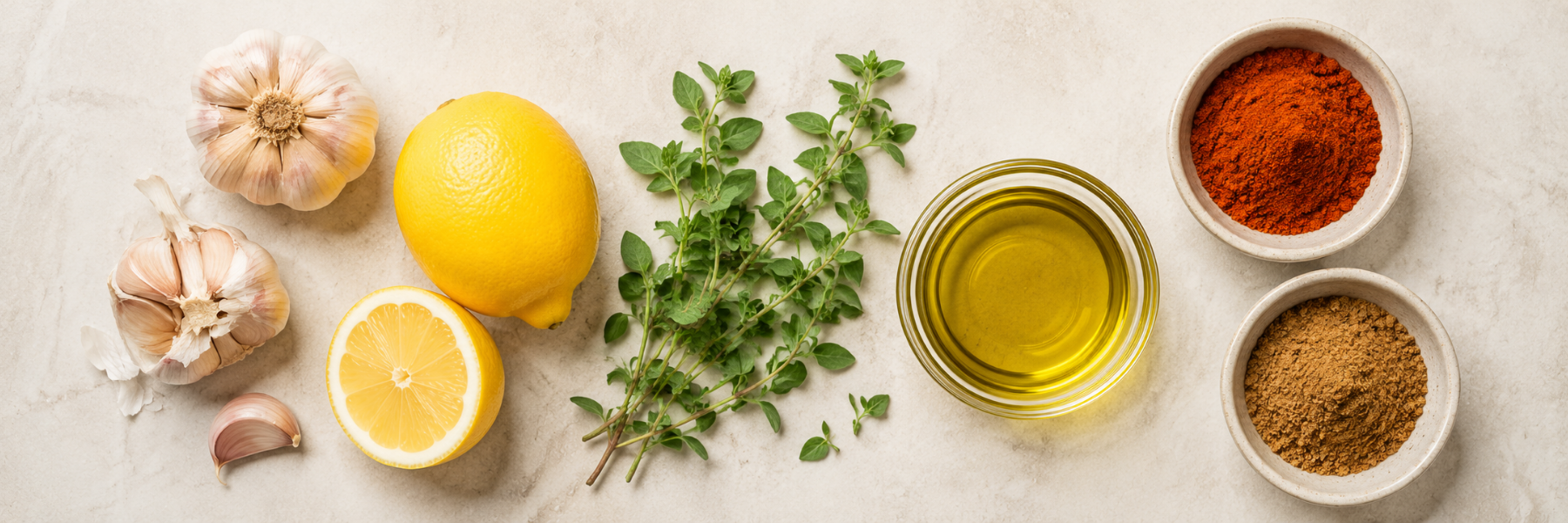
- Garlic and lemon for lift
- Oregano, rosemary and bay for that herby backbone
- Cumin and smoked paprika for warmth and colour
- Good olive oil to tie it all together
Season boldly. Lamb has a strong flavour of its own and stands up well to garlic, acid and spice.
Home-cook tips
You do not need a formula to cook lamb well, but you do need to respect a few basics:
- Low and slow wins. Aim for a low oven, roughly 150 to 160°C, and give shoulder four hours or more. Rushing is the most common mistake.
- Season the night before. Rubbing in salt, garlic and herbs ahead of time seasons the meat right through.
- Add liquid and cover. A splash of stock or wine plus a lid or foil keeps the meat from drying out.
- Rest before serving. Ten to fifteen minutes of rest lets the juices settle, so they stay in the meat, not on the board.
- Do not carve too early. If it resists the fork, it needs longer, not more heat.
How we do it at Little Lamb
Lamb is in our name for a reason. We cook it the way the Mediterranean intended: slowly, patiently and with a seasoning hand that leans on garlic, lemon, herbs and good olive oil rather than shortcuts. The reward is meat that is tender through the middle and full of flavour to the edge, the sort of plate that makes a weeknight feel like an occasion.
You can browse the full range on our lamb dishes menu, where our Mediterranean and Spanish plates sit alongside a locally sourced wine list. If you would rather read more about the wider way of eating first, our Mediterranean Diet for Beginners guide is a friendly starting point, and you can learn more about the team behind Little Lamb too.
A quick note on why this matters locally: Australians are among the world’s biggest lamb lovers. We each ate roughly 7kg of sheepmeat in 2024, against a global average of just 1.4kg, according to Meat & Livestock Australia‘s State of the Industry Report (October 2025). A slow-cooked lamb roast is practically a national love language, and the Mediterranean approach gives that tradition a fresh, sunlit twist.
Frequently asked questions
What cut is best for slow-cooked lamb?
Lamb shoulder is the top pick. Its fat and connective tissue break down over long, low cooking to give tender, pull-apart meat. Shank suits braising, while leg is better for a gentler roast.
How long does slow-cooked lamb take?
Most cuts need three to five hours at a low temperature. A whole shoulder is happiest with four hours or more at around 150 to 160°C, cooked until the meat pulls away easily from the bone.
Is lamb central to the Mediterranean diet?
Lamb features often in Mediterranean cooking, particularly for celebrations and shared meals. The broader pattern still leans on vegetables, olive oil, grains and legumes, which is partly why it was named the world’s best overall diet for the eighth year running
Where can I eat slow-cooked lamb near Burpengary?
Little Lamb Burpengary serves Mediterranean and Spanish-inspired lamb dishes for breakfast, lunch and dinner, right on Station Road. It is an easy trip for diners across the Moreton Bay region.
Come and taste it done properly
Reading about slow-cooked lamb is one thing. Pulling a fork through it is another. If you would like to skip the four-hour wait and let our chefs do the patient work, reserve a table at Little Lamb Burpengary and taste the Mediterranean tradition the way it was meant to be enjoyed.