The menus land, the table goes quiet, and everyone waits for someone else to pick first. Spanish tapas can do that to a group. A long list of small plates looks generous until you have to decide how many, which ones and in what order.
The classics are a good place to start: patatas bravas, garlic or chilli prawns (gambas al ajillo), grilled octopus (pulpo a la plancha), meatballs in tomato sauce (albondigas) and a bowl of olives. Here is how to build an order around them, from the first plate to the last.
What Spanish tapas actually is (and the drink-lid legend)
Tapas are small plates, made for sharing and traditionally eaten with a drink. In Spain they’re often a snack between the end of the working day and a late dinner, though a few rounds can easily become the meal.
The word comes from the Spanish verb tapar, to cover. The story most people hear is that bartenders once covered a glass with a slice of bread or ham to keep flies out, and the snack on top grew into tapas. It’s a good story, but treat it as legend. Nobody can pin down exactly where the tradition began.
How many plates per person, honestly
A common rule of thumb is two to four plates per person. Then adjust:
- Fewer if tapas is a starter before mains, or if you’re ordering bigger sharing platters
- More if it’s the whole meal, or the table is hungry
- Mix it up with something fried, something grilled, a seafood plate, a meat plate and something fresh
Order in rounds, not all at once
Start with about half of what you think you’ll need. Eat, talk, see what disappears fastest, then order the next round. It’s how tapas tends to work in Spain, and it stops the table drowning in plates it can’t finish.
Why the plates arrive when they arrive
In many tapas restaurants, dishes go out as the kitchen finishes them rather than all together. Olives and dips are quick; grilled octopus or lamb cutlets take longer. That staggered arrival is part of the format, so start on whatever lands first.
The dishes to order first
These four are on the tapas list on our menu, and between them they cover most of what people picture when they think of Spanish tapas:
- Patatas Bravas ($12): traditional spiced potatoes with aioli and bravas sauce. You can add a fried egg for $3.
- Gambas al Ajillo ($20): chilli prawns sautéed in garlic, with parsley, extra virgin olive oil and toasted bread.
- Pulpo a la Plancha ($21.50): Spanish grilled octopus with olives, pickles, rocket and tzatziki sauce.
- Albondigas Caseras ($14.50): homemade lamb meatballs in tomato sofrito sauce, with crusty bread and parmesan.
If you prefer a richer prawn dish, the Creamy Garlic Prawns (Camarones al Ajillo, $21) are cooked in a thick cream sauce with pita bread.
One honest note: Little Lamb’s tapas list isn’t only Spanish. It moves from Spanish classics into Mediterranean neighbours such as saganaki cheese, grilled halloumi and hummus. That mix is part of the fun. If you’re curious about what makes Spanish food authentic, read how to spot an authentic Spanish restaurant.
The names on the menu, explained
- Tapas: small plates for sharing, usually eaten with a drink.
- Pintxos: the Basque Country’s version, often a small bite on bread, held together with a skewer or toothpick. In the Basque Country, people may call all their small plates pintxos.
- Raciones: larger portions of the same kinds of dishes, closer to a light meal. Ordering a ración means more of one thing.
- Meze: the Greek and Middle Eastern tradition of small shared plates. It overlaps with tapas in spirit, which is why saganaki, halloumi and hummus sit comfortably on the same list.
For the lamb side of that Mediterranean overlap, see what makes slow-cooked lamb the heart of Mediterranean cooking.
Three sample orders
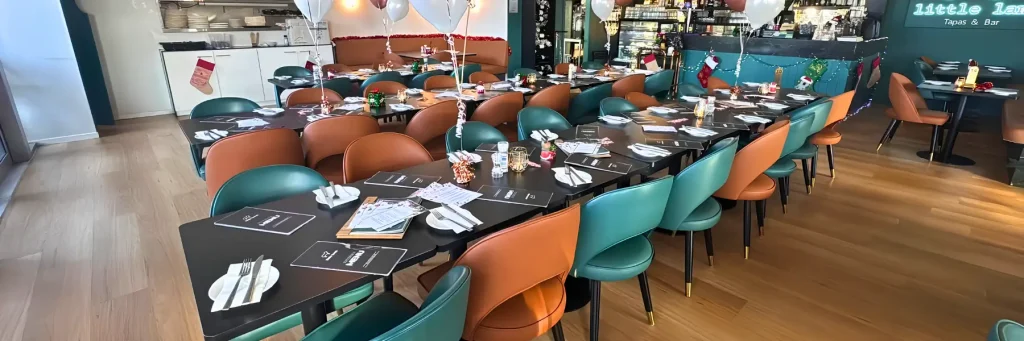
These use real dishes and menu prices.
For two
Option A, the classics:
- Patatas Bravas ($12)
- Gambas al Ajillo ($20)
- Pulpo a la Plancha ($21.50)
- Albondigas Caseras ($14.50)
Option B, the easy route: the Tapas Share Paddle ($69.50, serves two). It brings house dips, pita bread, crumbed olives and mushrooms, arancini, halloumi and mixed grilled skewers, served with house sliders, salad and chips.
For four
- Tapas Share Paddle ($69.50)
- Patatas Bravas ($12)
- Gambas al Ajillo ($20)
- Pulpo a la Plancha ($21.50)
- Albondigas Caseras ($14.50)
- Saganaki Cheese ($16)
- Rosemary Lamb (Cordero Pinchos) Skewers ($19.50)
For six
- Two Tapas Share Paddles ($139.00)
- Patatas Bravas ($12)
- Gambas al Ajillo ($20)
- Pulpo a la Plancha ($21.50)
- Albondigas Caseras ($14.50)
- Saganaki Cheese ($16)
- Lamb Cutlets ($22.50)
- Bruschetta ($12)
Order the paddle and a couple of plates first, then add the rest as the table settles in.
Tips for a smooth tapas night
- Pace drinks with plates. Tapas and a drink go together, so let both arrive at an easy rhythm.
- Ask about timing. If you’d like dishes spaced out, ask your server whether the kitchen can pace them.
- Mention dietary needs early. The menu notes vegetarian, gluten free, dairy free and vegan options are available, so ask staff.
- Split it fairly. Agree up front whether you’re splitting evenly or by what each person ordered. With shared plates, an even split is usually simplest.
FAQ
What are typical Spanish tapas? Classics include patatas bravas, gambas al ajillo (garlic or chilli prawns), pulpo a la plancha (grilled octopus), albondigas (meatballs) and olives.
How many tapas should I order per person? Two to four plates per person is a common starting point. Order in rounds and add more if the table is still hungry.
Are tapas a starter or a full meal? Either. In Spain they’re often eaten before dinner, but enough rounds make a full meal.
Do you eat tapas with your hands? Some, yes: bread, olives and skewers are easy to eat by hand. Saucy dishes such as garlic prawns or meatballs are easier with a fork, and bread to mop up the sauce.
What is the difference between tapas and pintxos? Pintxos are the Basque version, often a bite on bread held with a skewer. Tapas is the wider term for small shared plates across Spain.
Where to practise
The best way to get comfortable with tapas is to order a round and see what the table loves. Little Lamb is on Station Road on Brisbane’s northside, if you’d like to find us in Burpengary. If you’re weighing up the drive, here are the Mediterranean restaurants worth the drive from Brisbane.
Ready to try it? Book a table and start with the bravas.